


Your whole collection.
Finally home.
Field-level depth. Gallery-quality craft. Everything you collect, in one place.
Free on iOS and Android. No credit card. No item limits.
You already built the system.
It just isn't one.
A spreadsheet with too many tabs, three apps you stopped opening, a camera roll where your best pieces live next to parking-spot photos, and a Sunday-night ritual of cross-referencing comps across browser tabs you've never bookmarked — because you'd have to admit this is permanent.
That system works the way duct tape works. With effort you shouldn't need to spend and visibility your collection doesn't deserve.
A spreadsheet you built at 2am because nothing else had the right fields
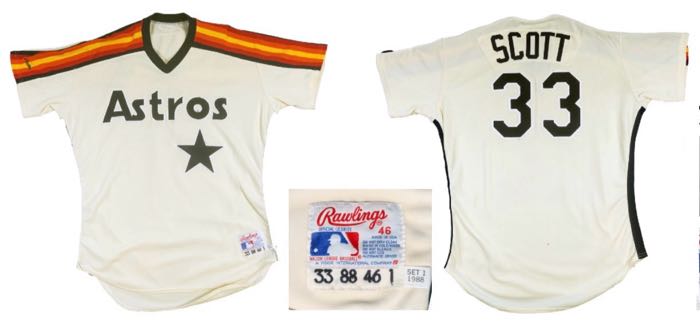
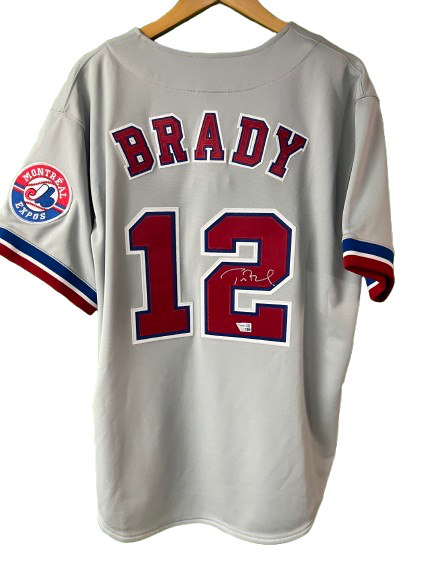
Dynamic fields per subcategory — a game-worn jersey surfaces different documentation than a factory-sealed box
A camera roll that's half collection archive, half grocery lists — and no way to show someone what you've actually built
Gallery-quality showcases that present your pieces the way they look in your head — shareable with a link
A jersey is not a helmet.
Your inputs should know that.
Every other platform built one set of fields and applied them to everything. Name, photo, condition, value. The same four inputs for a game-worn Kobe jersey and a factory-sealed box of 1987 Topps. Both technically cataloged. Neither actually documented.
Vitrine's fields change by subcategory — because your collectibles are unique and their details should be too.
Not one category.
Every category — with real depth in each.
Most platforms slap a label on a category and call it support. Vitrine builds dynamic fields per subcategory — validated by specialist collectors before that category appears in any marketing. Your sports memorabilia, vintage watches, and first-edition books all get the same standard. Not the same fields. The same depth.
Trading Cards
Sports, TCG, non-sports — graded and raw
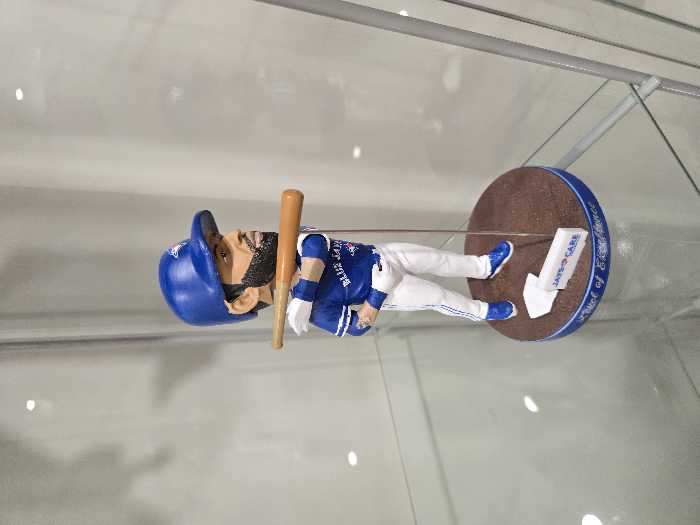
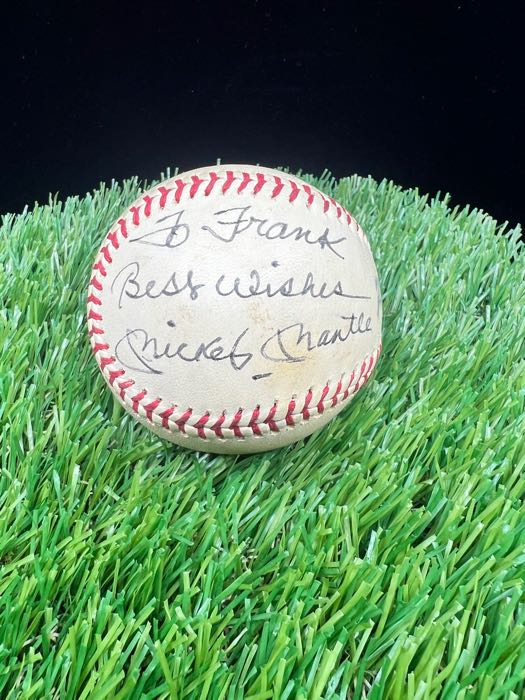
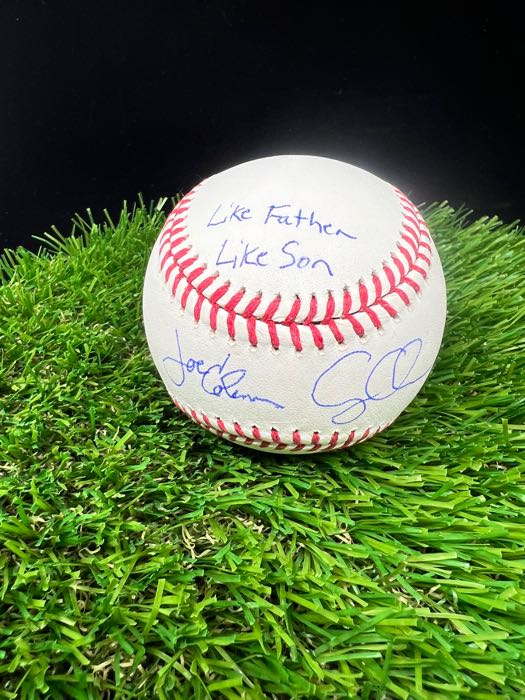
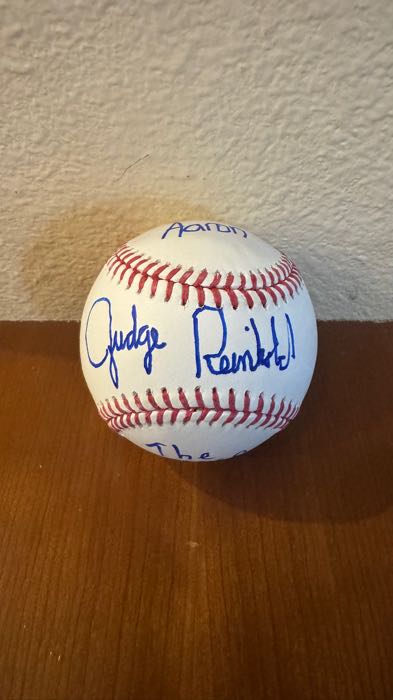
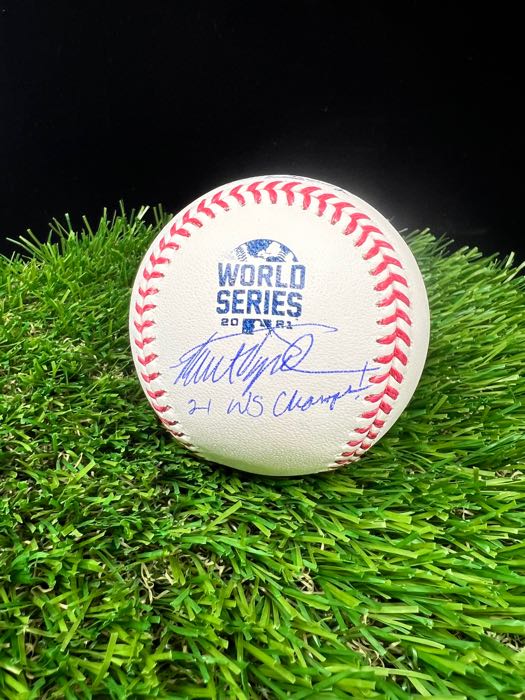
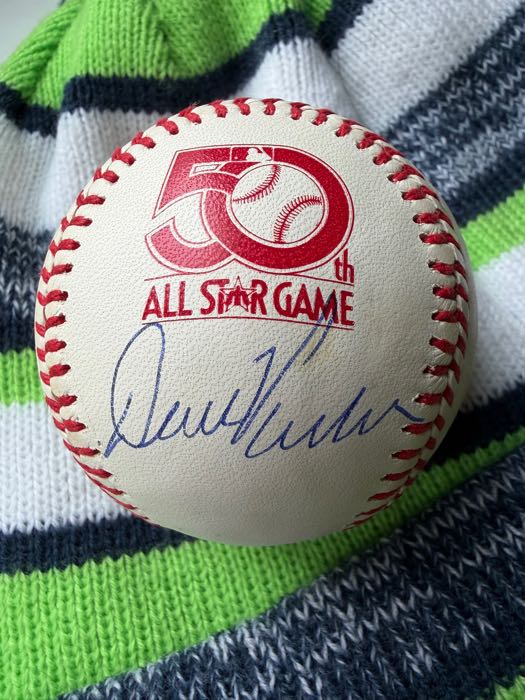
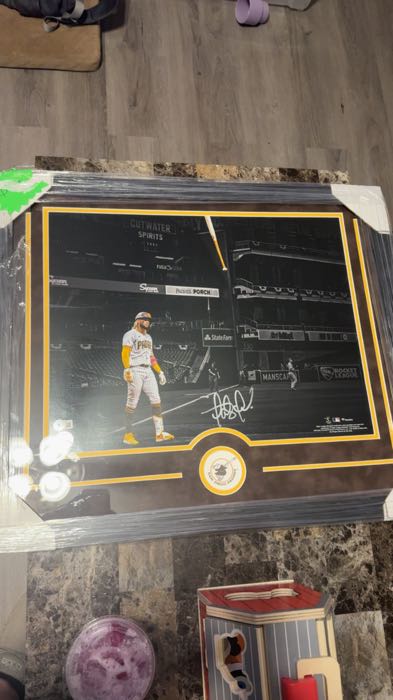
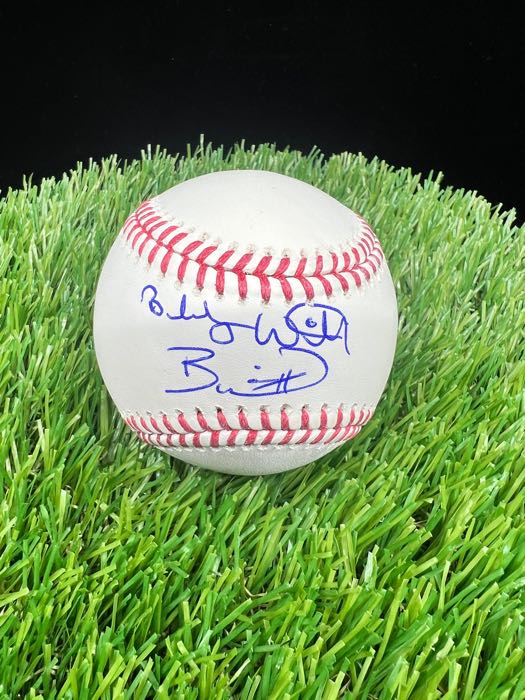
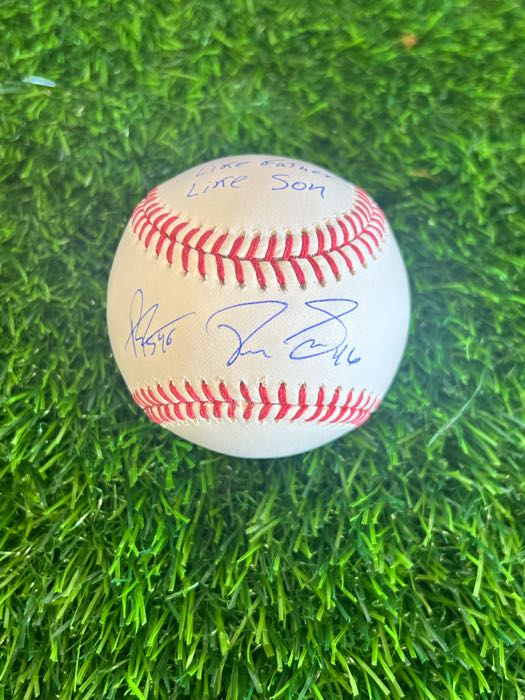
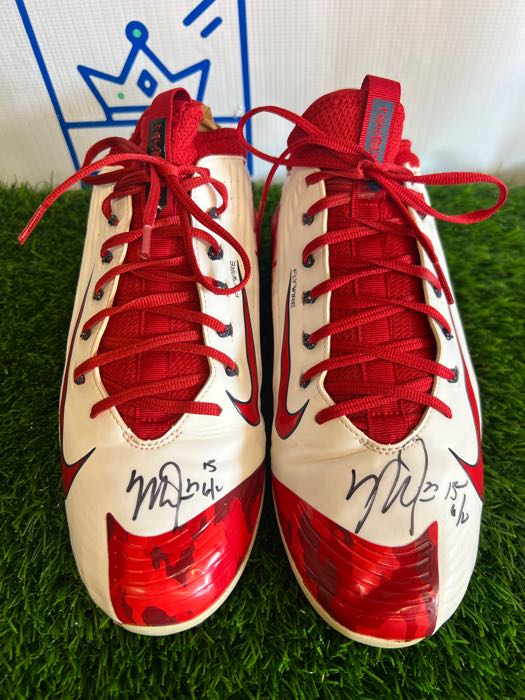
Sports Memorabilia
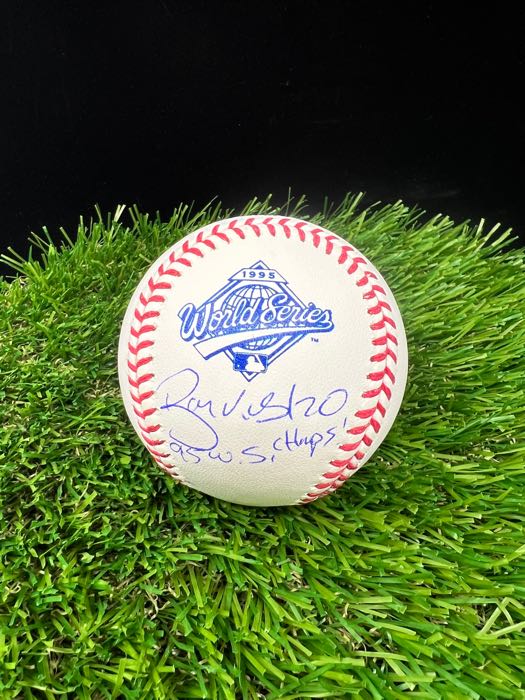
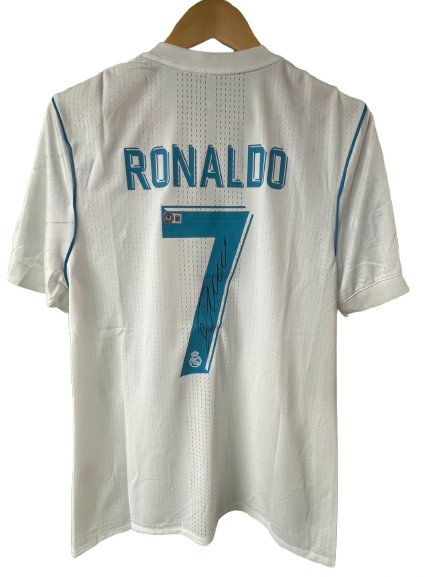
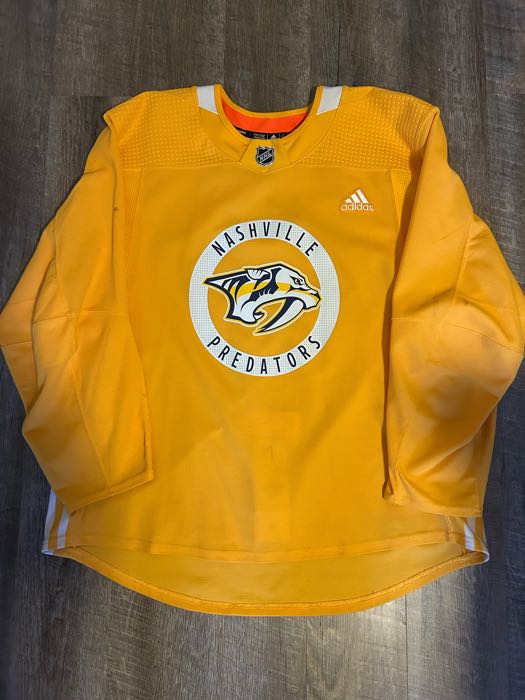
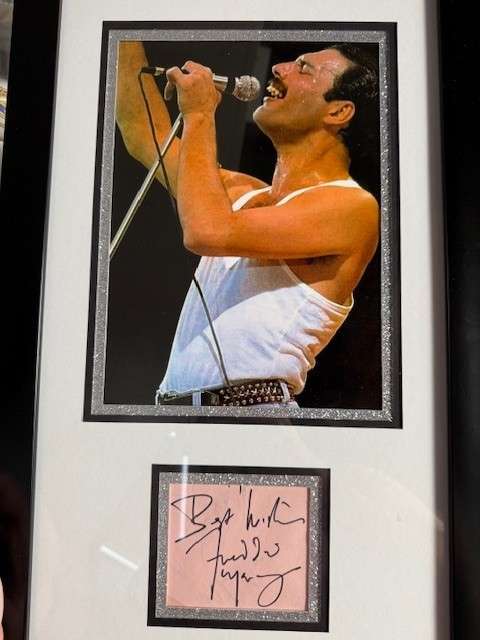
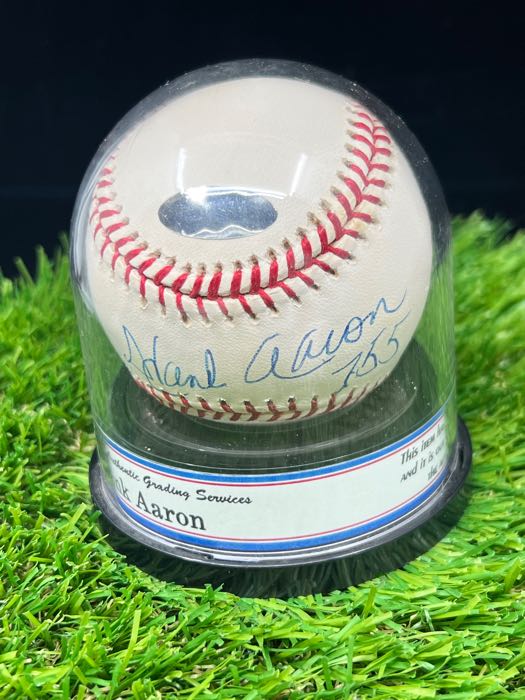
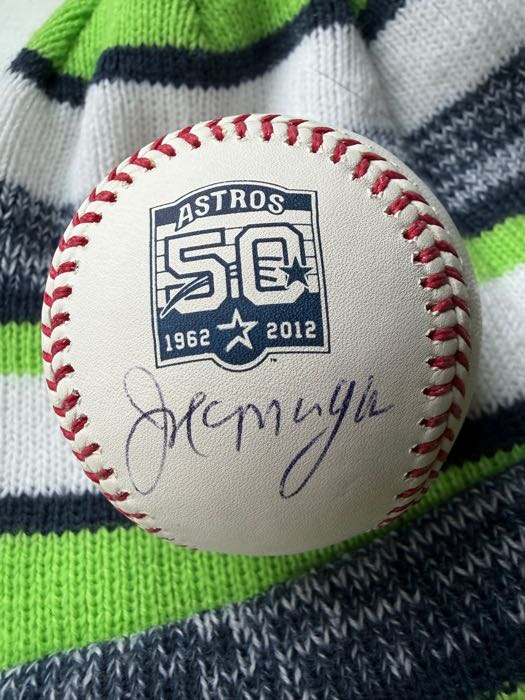
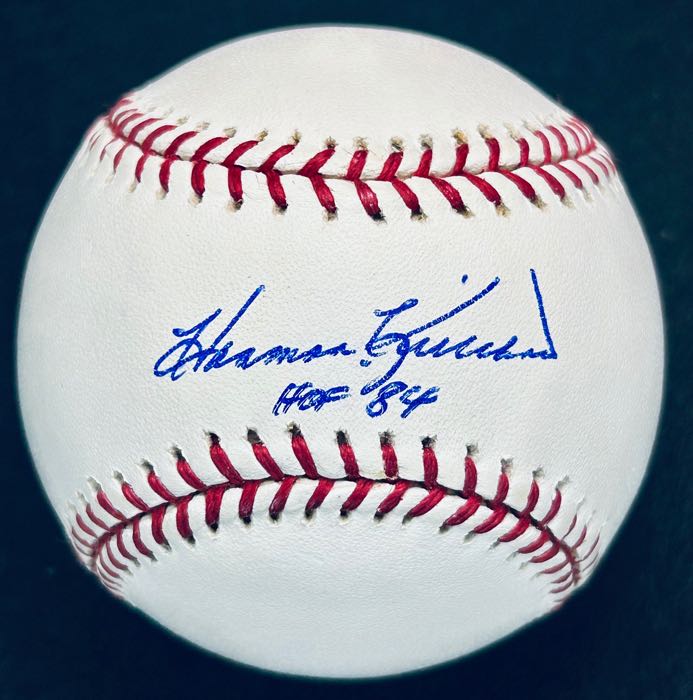
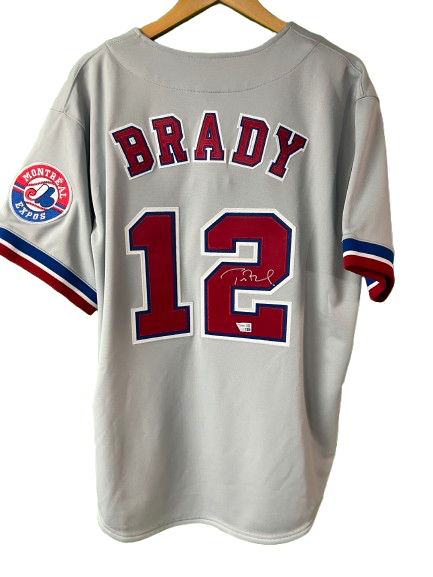
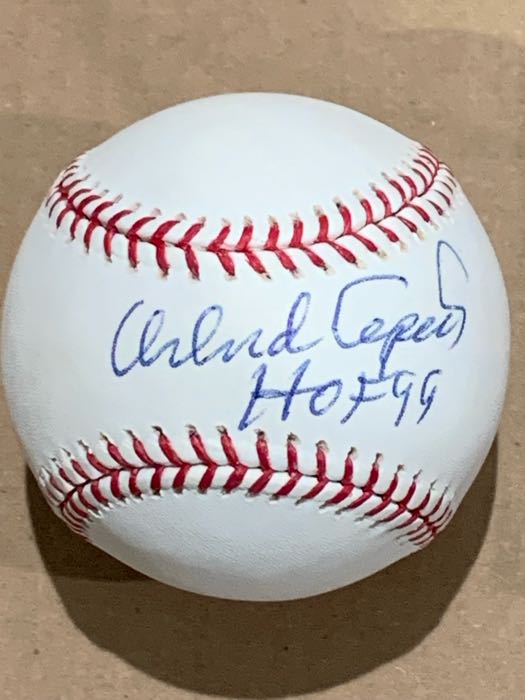
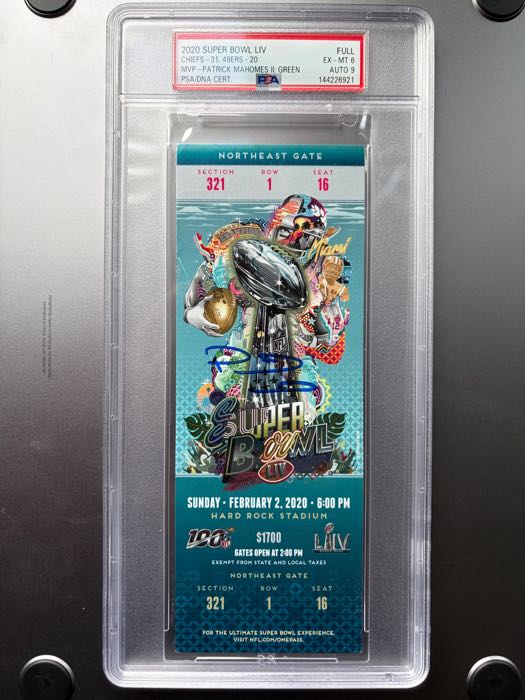
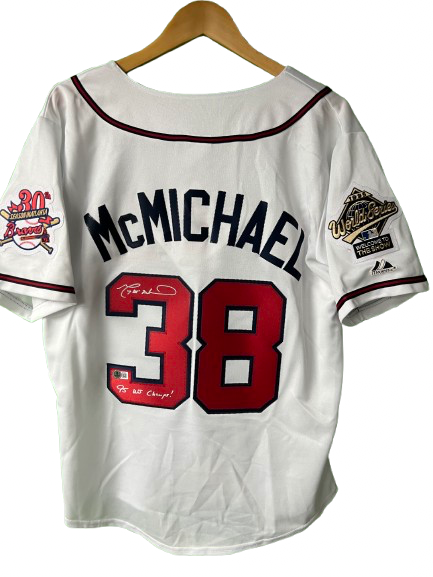
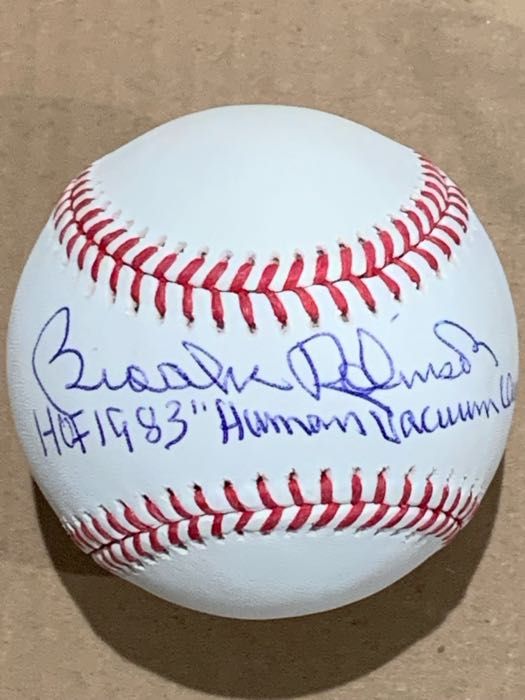
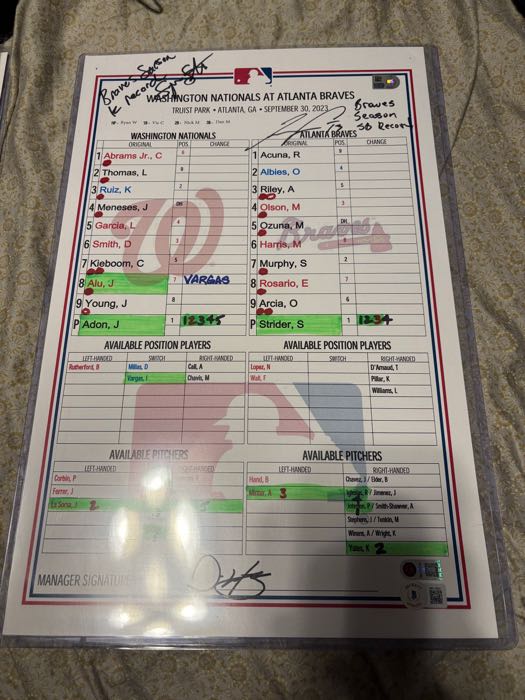
Game-worn, game-issued, signed items, sealed product
Watches
Vintage, modern, movement-specific documentation
Sneakers
Retro, limited, authenticated
Comics
Golden age through modern — graded and raw
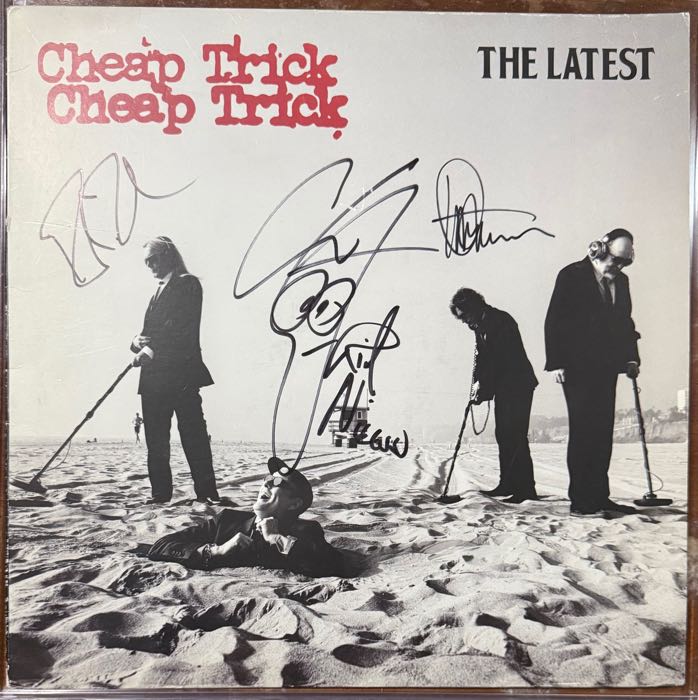
Vinyl
Original pressings, variants, condition-specific
Vintage Gaming
Consoles, cartridges, CIB documentation
Art & Prints
Originals, numbered editions, provenance
More categories in development. We don't market a category until a specialist collector has validated the field depth.
See depth status by categoryYour pieces, presented the way
they look in your head.
A collection displayed as a spreadsheet row is a collection being disrespected. Showcases give every piece gallery-quality treatment — arranged the way you'd walk someone through the collection in person. Build as many as you want. Share them with a link.
The Sunday-night ritual,
minus three browser tabs.
You already check comps every week across multiple sources for pieces you have no intention of selling. Value tracking consolidates those sources and maps recent sales to the specific variant, condition, and authentication status you've already cataloged. You cataloged a PSA 9 Jordan rookie — you see what PSA 9 Jordan rookies actually sold for. Not what “Jordan cards” are averaging.
If your collection doesn't have enough comp data yet, you'll see that — not a guess. We'd rather show nothing than show something that isn't real.
Your collection is
your identity here.
In most collecting communities, you are your comment history. Your identity is the posts you've written — not the pieces you've built a life around.
In Vitrine, the collection IS the profile. Your showcases, your categories, your depth. That's how other collectors encounter you. Not your post count. Not your transaction history.
Three moves.
Then the fields do the talking.
Download and create a collection.
Free on iOS and Android. Your first collection takes less than a minute.
Catalog a few items in your primary category.
Pick the subcategory — game-worn jersey, sealed box, signed photo — and watch the fields surface. This is where you'll know whether we got it right.
Build a showcase.
Arrange your pieces the way you'd walk someone through them. Share it if you want. It's the part most collectors didn't expect to care about — and now won't stop refining.
We'd rather tell you what's real
than let you assume.
Every platform in this space has blurred the line between what's built and what's coming. We don't. If it's listed as live, open the app and test it. If it's listed as coming, that's where it is — and we'll keep this page updated.
Built for how you
actually collect.
Free on iOS and Android. No credit card. No item limits.